


Men’s Mental Health: When strength means slowing down
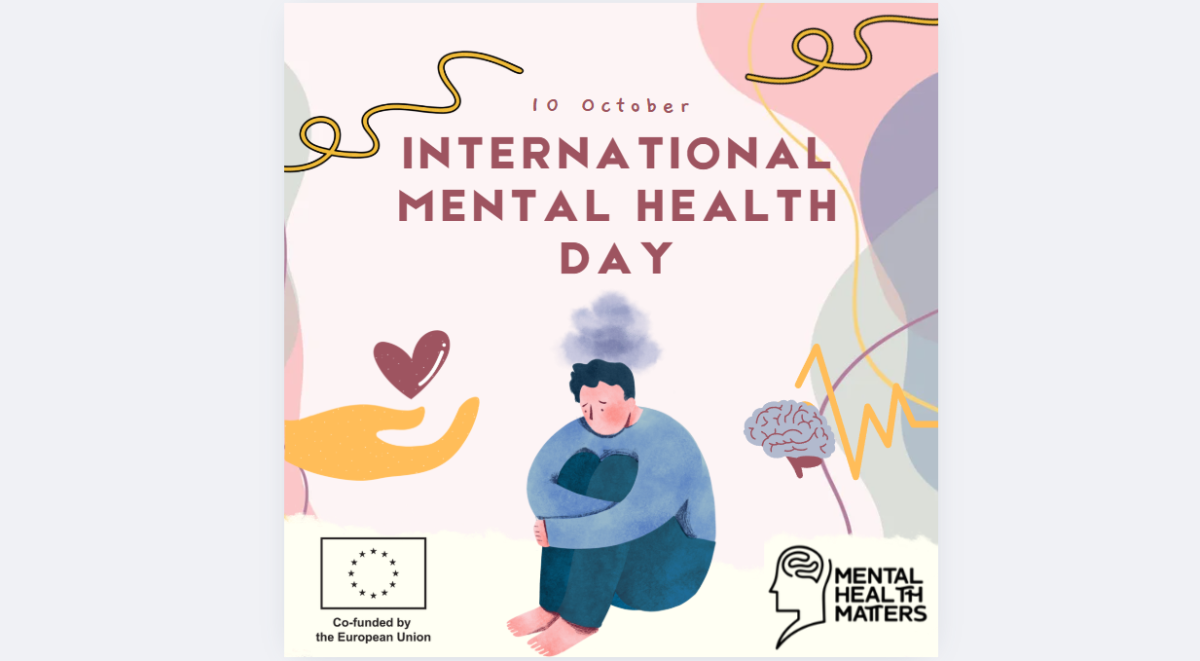
On the occasion of World Mental Health Day, we join the global call to speak more openly, listen more carefully, and support one another in protecting mental well-being, especially among men, whose struggles too often remain invisible.
For generations, men have been taught to stay silent when things get difficult. To endure, push through, and handle problems alone. It’s a message that runs deep: in families, workplaces, friendships, and locker rooms. Yet behind this quiet strength, many men carry heavy emotional burdens that rarely find space to be spoken out loud.
Mental health struggles among men often go unnoticed until they reach a breaking point. Instead of saying “I’m not okay,” many withdraw, work harder, or turn to distractions that only numb the pain for a while. It’s not about a lack of resilience, it’s about a culture that still equates vulnerability with weakness. Anxiety, depression, burnout, and chronic stress don’t discriminate. They affect students, professionals, fathers, and athletes alike. But men are still less likely to seek help, even when the warning signs are clear: constant fatigue, irritability, difficulty sleeping, loss of interest, or physical tension that won’t go away. In many cases, the body starts speaking the language that emotions cannot.
When the Body Says “Enough”
One of the most striking examples comes from a conversation with a former football player who now works with young athletes in a local club. He spent more than a decade on the field, disciplined, driven, and completely devoted to the sport. But as injuries became more frequent, recovery took longer, and pain became constant, he began to realize something deeper was happening.
“At first I thought it was bad luck, one injury after another,” he recalls. “I pushed through every time, did the rehab, came back, and then it would happen again. Eventually, my doctor told me my body couldn’t take it anymore. That hit me harder than any tackle.”
The moment he was told he had to stop playing felt like a personal defeat. Football had shaped his identity since childhood. Losing it meant losing a part of himself.
“I didn’t know who I was without the sport. My whole life was built around training, matches, and being that guy who never gives up. Suddenly, there was no next game, no team waiting for me. That silence after everything stopped, that’s when the real struggle began.”
It took time, therapy, and honest reflection for him to understand that the injuries were not just physical.
“I realized my body was sending signals long before it broke down. It was warning me about the pressure, the anxiety, the need to always prove something. I used to think strength meant ignoring pain. Now I know strength is listening to it.”
Today, he channels that experience into his work with young players. He encourages them to speak about their emotions, not just their performance.
“When one of the boys is frustrated or scared before a match, I tell him it’s okay. You can love the game and still feel nervous. You can be competitive and still need a break. The goal isn’t just to win, it’s to stay whole.”
Stories like his remind us that mental health is not only a personal issue but a collective one. It’s about reshaping how we define strength. Whether in sports, at work, or in everyday life, resilience isn’t about pushing until we break, it’s about knowing when to pause, reflect, and ask for support. Coaches, parents, and communities have an important role to play. When men, especially young men, see that it’s normal to talk about stress, fear, or doubt, the stigma starts to fade. Mental health doesn’t make anyone less masculine, it makes them more human.
6 Ways how men can protect their mental health
- Talk about how you feel. Sharing emotions helps release pressure and builds connection. Start with someone you trust, a friend, a family member, or a professional.
- Rest and recover. Your body and mind both need time off. Regular sleep, quiet time, and moments away from screens can make a huge difference.
- Move your body. Exercise supports both physical and emotional balance. It doesn’t need to be about performance, even a walk or a game with friends helps.
- Avoid unhealthy escapes. Alcohol, drugs, or overworking only silence emotions temporarily. Choose activities that ground you, reading, creating, or simply being outdoors.
- Stay connected. Don’t isolate yourself. Reach out, make plans, join a team, volunteer, connection is one of the strongest protections for mental well-being.
- Get professional help if needed. Therapy isn’t a last resort, it’s a proactive step toward understanding yourself better and building healthier habits.
FuteBola from Portugal together with partners Club for Youth Empowerment 018 from Serbia, Beyond Borders from Italy and Barcel’hona Sports Events from Spain, implements “Mental Health Matters” project in the field of sport to promote importance of mental health hygiene while raising the awareness about mental health issues of men in competitive and professional sports. Project consortium is made from youth and sport organizations in order to combine different approaches and expertise so that more attention and visibility is given to the topic of men’s mental health and more specifically of male athletes. Project objectives are:
1) To develop new methodology for sport workers for promoting mental health and wellbeing of young men and boys, 2) To train 20 coaches and other sport workers in the field of mental health protection, 3) To create more opportunities for public dialogue on the topic of mental health of men in competitive sports and 4) To raise the awareness about importance of protection of mental health among male athletes. Project is implemented in Portugal, Serbia, Italy and Spain in the period 01.11.2024 – 31.10. 2025 and is co-funded by the EU.